Cilantro Companion Vegetables: The Best Plants To Grow Together
Cilantro Companion Vegetables: The Best Plants to Grow Together
Cilantro is a delicious and versatile herb that can be used in a variety of dishes. It is also a great companion plant for many other vegetables. When planted together, cilantro and its companion plants can help each other thrive.
In this blog post, we will discuss the best companion plants for cilantro. We will also talk about why companion planting is beneficial and how to plant cilantro with its companion plants.
Why Companion Planting is Beneficial
Companion planting is a gardening technique that involves planting certain plants together to benefit each other. There are many different benefits to companion planting, including:
- Attracting beneficial insects: Some plants attract beneficial insects, such as ladybugs and lacewings, which help to control pests. Cilantro is a good example of a plant that attracts beneficial insects.
- Reducing pest pressure: Companion plants can help to reduce pest pressure by deterring pests or attracting their predators. For example, cilantro can help to deter aphids, which are a common pest of many vegetables.
- Improving soil quality: Some companion plants can improve soil quality by adding nutrients or by suppressing weeds. For example, legumes, such as beans and peas, can add nitrogen to the soil.
- Extending the growing season: Companion plants can help to extend the growing season by providing shade or by protecting plants from the wind. For example, cilantro can help to protect tomatoes from the wind.
Best Companion Plants for Cilantro
There are many different plants that can be grown as companion plants for cilantro. Some of the best include:
- Beans: Beans are a great companion plant for cilantro because they add nitrogen to the soil. Nitrogen is an essential nutrient for plant growth, and it can help to keep cilantro healthy and productive.
- Peas: Peas are another nitrogen-fixing plant that can be grown as a companion plant for cilantro. Peas are also a good choice for early spring planting, as they can help to warm the soil and prepare it for other crops.
- Potatoes: Potatoes are a good companion plant for cilantro because they help to repel pests. The strong smell of potatoes can deter aphids, which are a common pest of cilantro.
- Leafy vegetables: Leafy vegetables, such as spinach, kale, and lettuce, are also good companion plants for cilantro. These vegetables help to attract beneficial insects, such as ladybugs and lacewings, which help to control pests.
- Herbs: Cilantro can also be grown with other herbs, such as basil, parsley, and chervil. These herbs have similar water and sunlight requirements, so they can be grown together without competing for resources.
How to Plant Cilantro with Its Companion Plants
When planting cilantro with its companion plants, it is important to consider the spacing requirements of each plant. For example, beans and peas need more space than leafy vegetables. It is also important to consider the sunlight requirements of each plant. Cilantro needs full sun, while some of its companion plants, such as potatoes, can tolerate partial shade.
Here are some tips for planting cilantro with its companion plants:
- Plant cilantro and its companion plants in a sunny spot.
- Space the plants according to their individual needs.
- Water the plants regularly, especially during hot, dry weather.
- Fertilize the plants as needed.
- Monitor the plants for pests and diseases.
Conclusion
Cilantro is a delicious and versatile herb that can be grown with a variety of companion plants. When planted together, cilantro and its companion plants can help each other thrive. By following the tips in this blog post, you can successfully plant cilantro with its companion plants and enjoy the benefits of companion planting.
Cilantro is a delicious and versatile herb that can be used in a variety of dishes. But did you know that it can also be a great companion plant for other vegetables?
When you plant cilantro near certain other vegetables, it can help to repel pests, attract beneficial insects, and improve the overall health of your garden.
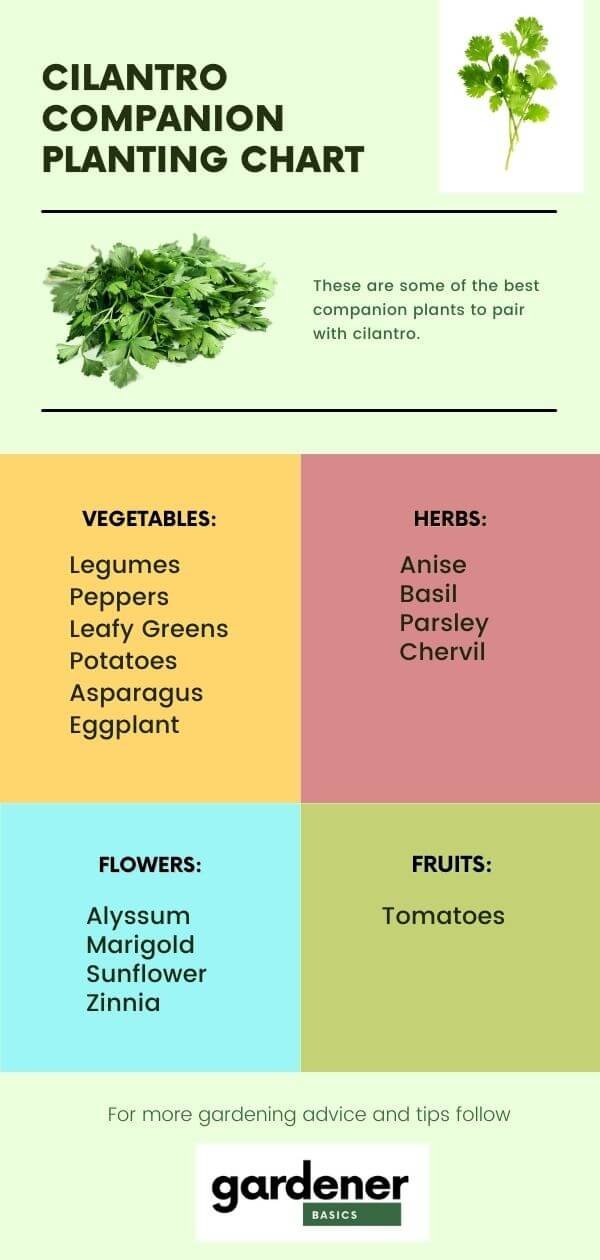
Some of the best companion plants for cilantro include:
- Tomatoes: Tomatoes provide shade for cilantro, which can help to extend its growing season.
- Potatoes: Potatoes attract the same beneficial insects that cilantro does, so planting them together can help to keep your garden pest-free.
- Leafy greens: Cilantro's fragrant leaves attract beneficial insects that prey on pests that can damage leafy greens.
- Legumes: Legumes fix nitrogen in the soil, which is a nutrient that cilantro loves.
If you're looking for more information about cilantro companion planting, I recommend visiting Gardenia Inspiration. This website has a comprehensive list of companion plants for cilantro, as well as tips on how to plant and care for them.
FAQ of cilantro companion vegetable
Q: What are some good companion plants for cilantro?
A: Cilantro is a great companion plant for many other vegetables, as it helps to attract beneficial insects that prey on pests. Some good companion plants for cilantro include:
- Leafy greens: Cilantro can help to attract beneficial insects that feed on pests that target leafy greens, such as aphids and whiteflies. Some good leafy greens to plant with cilantro include kale, collards, spinach, cabbage, and lettuce.
- Tomatoes: Cilantro can help to repel nematodes, which are a common pest of tomatoes. Planting cilantro near tomatoes can help to reduce the risk of tomato plants becoming infected with nematodes.
- Peppers: Cilantro can help to attract beneficial insects that prey on pests that target peppers, such as aphids and whiteflies. Planting cilantro near peppers can help to reduce the risk of pepper plants becoming infested with pests.
- Eggplants: Cilantro can help to attract beneficial insects that prey on pests that target eggplants, such as aphids and whiteflies. Planting cilantro near eggplants can help to reduce the risk of eggplant plants becoming infested with pests.
- Beans: Cilantro can help to attract beneficial insects that prey on pests that target beans, such as aphids and whiteflies. Planting cilantro near beans can help to reduce the risk of bean plants becoming infested with pests.
Q: What vegetables should not be planted near cilantro?
A: There are a few vegetables that should not be planted near cilantro, as they can compete for resources or attract pests. These vegetables include:
- Dill: Dill and cilantro are both members of the Apiaceae family, and they can compete for resources if planted too close together.
- Carrots: Carrots and cilantro can attract the same pests, so planting them too close together can increase the risk of both crops becoming infested.
- Celery: Celery and cilantro can attract the same pests, so planting them too close together can increase the risk of both crops becoming infested.
Q: How does cilantro benefit other vegetables?
A: Cilantro can benefit other vegetables in a number of ways, including:
- Attracting beneficial insects: Cilantro attracts beneficial insects that prey on pests that target other vegetables. This can help to reduce the need for pesticides and keep your garden healthy.
- Improving soil quality: Cilantro helps to improve soil quality by breaking down organic matter and releasing nutrients. This can benefit other vegetables by providing them with the nutrients they need to grow strong and healthy.
- Disguising the scent of other vegetables: Cilantro has a strong scent that can help to disguise the scent of other vegetables that are attractive to pests. This can help to deter pests from attacking your garden.
Q: How can I plant cilantro with other vegetables?
A: When planting cilantro with other vegetables, it is important to consider the spacing requirements of each plant. Cilantro needs about 6 inches of space to grow, so you will need to plant it accordingly. You should also plant cilantro in full sun, as it prefers warm, sunny conditions.
A good way to plant cilantro with other vegetables is to create a companion planting bed. This is a bed that is specifically designed to grow plants that benefit each other. When creating a companion planting bed, you will need to choose plants that have similar growing requirements and that will not compete for resources.
Q: Where can I find more information about cilantro companion vegetables?
A: There are a number of resources available that can provide you with more information about cilantro companion vegetables. Some good resources include:
- The Vegetable Garden Coloring Book: This book provides a comprehensive overview of companion planting, including information about cilantro companion vegetables.
- The Companion Planting Handbook: This book is a more in-depth resource on companion planting, and it includes a detailed section on cilantro companion vegetables.
- The Vegetable Garden Primer: This book is a good resource for beginners, and it includes a section on companion planting that covers cilantro companion vegetables.
Image of cilantro companion vegetable
- Tomatoes: Cilantro and tomatoes are a classic pairing, and for good reason. Cilantro helps to repel tomato hornworms, which are a major pest of tomatoes. It also helps to improve the flavor of tomatoes.
- Peppers: Like tomatoes, peppers are also susceptible to tomato hornworms. Cilantro can help to keep these pests away, and it also helps to improve the flavor of peppers.
- Eggplants: Eggplants are another vegetable that can benefit from being planted near cilantro. Cilantro helps to repel eggplant flea beetles, which can be a major pest of eggplants.
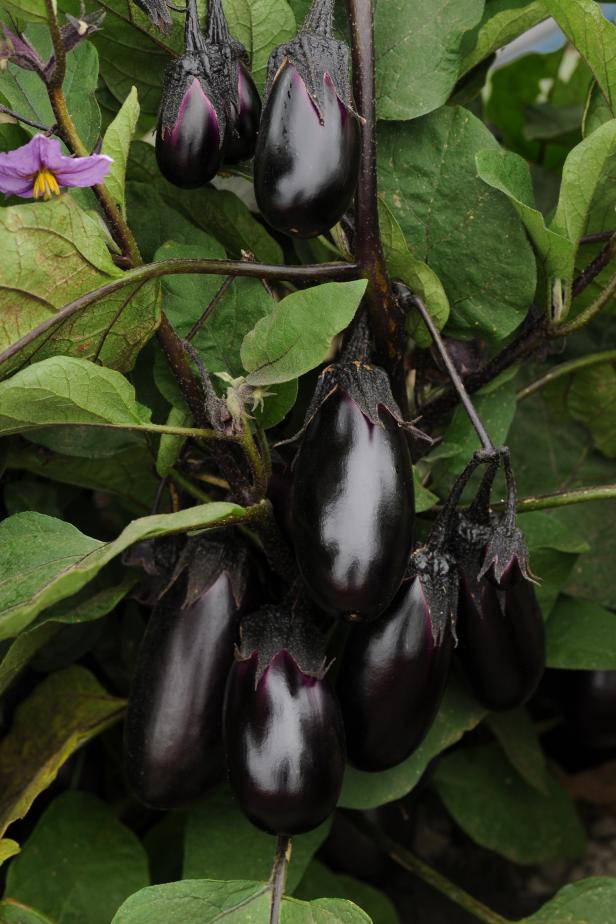
- Potatoes: Cilantro can help to repel potato beetles, which are a major pest of potatoes. It also helps to improve the flavor of potatoes.
- Beans: Beans and cilantro are mutually beneficial plants. Cilantro helps to attract beneficial insects that prey on pests of beans, and beans help to fix nitrogen in the soil, which benefits cilantro.
Post a Comment for "Cilantro Companion Vegetables: The Best Plants To Grow Together"